

Vision
Transform the institute into a multidisciplinary, research-intensive, and premier university, fostering robust collaboration with Indian and international institutions to advance innovative solutions.

Mural Door of IGIDR
Latest @ IGIDR
Academic Programmes
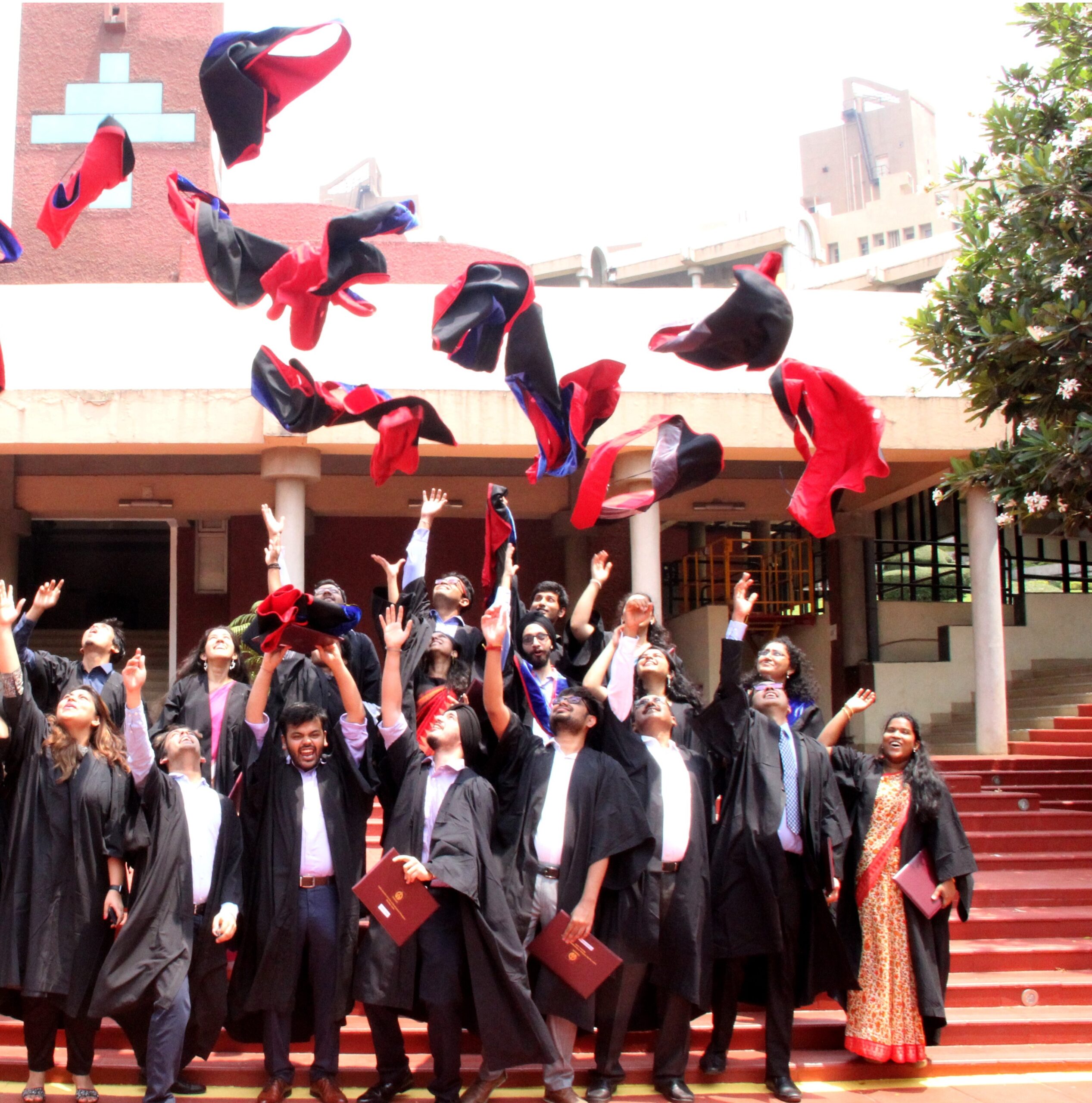
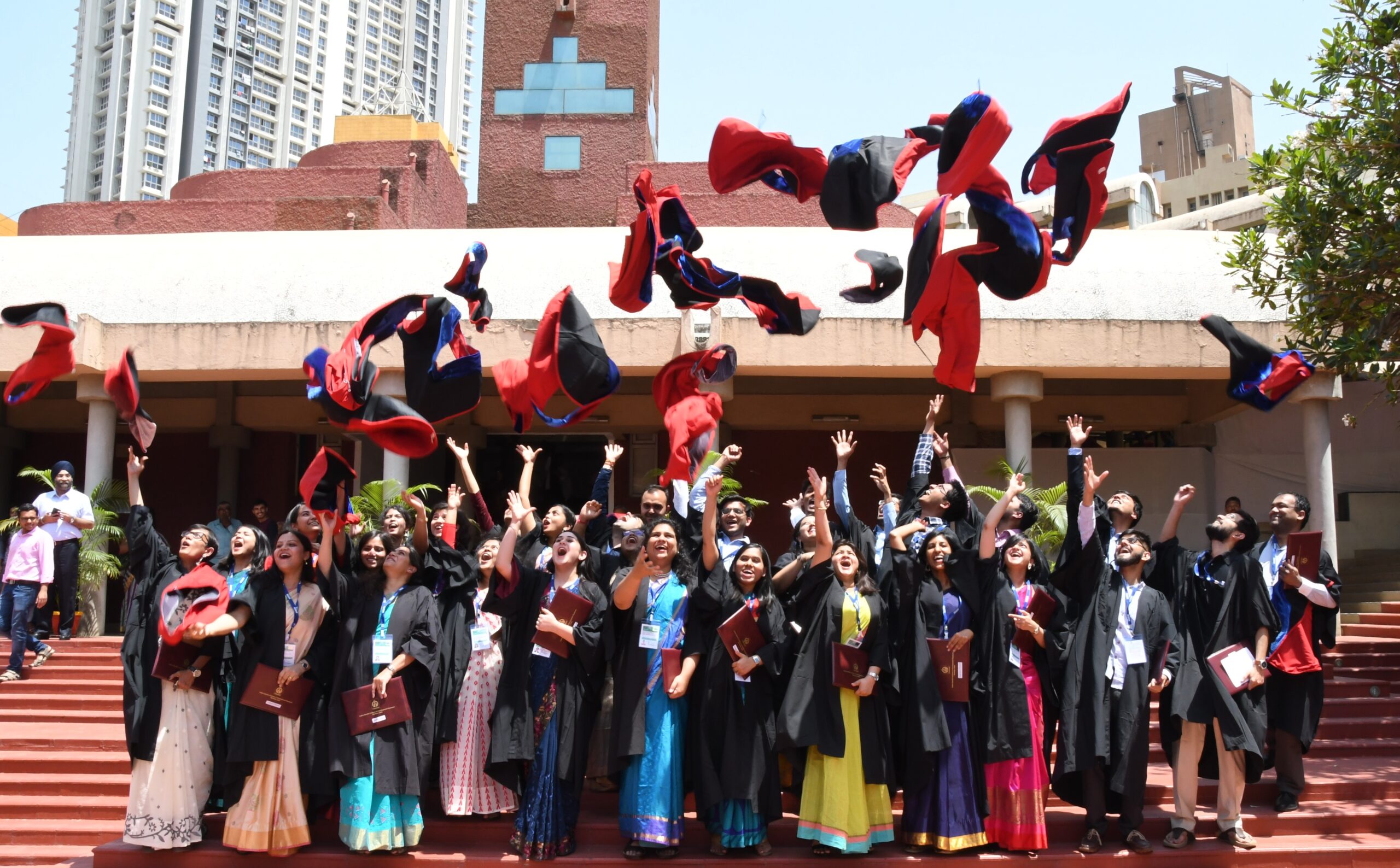
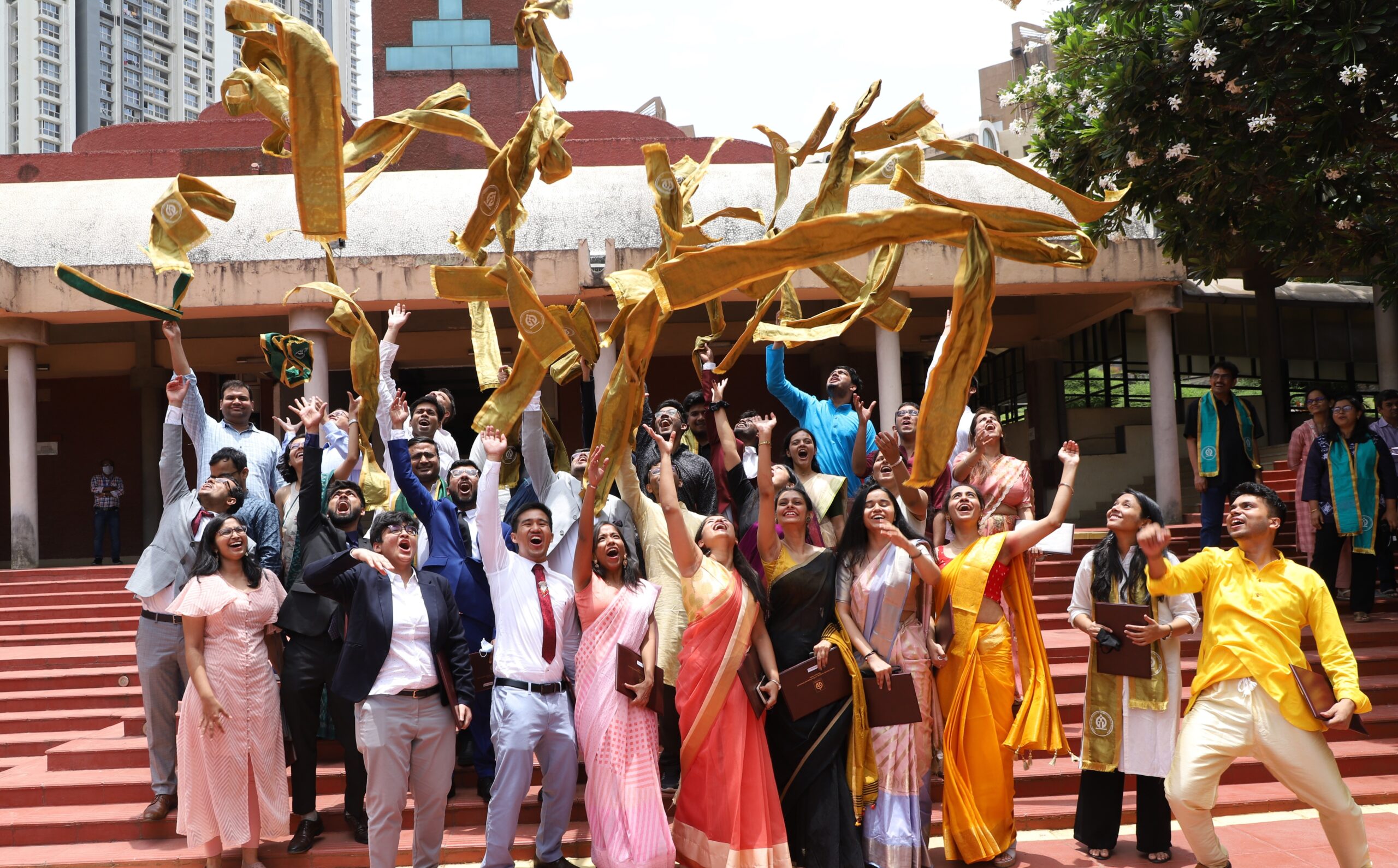
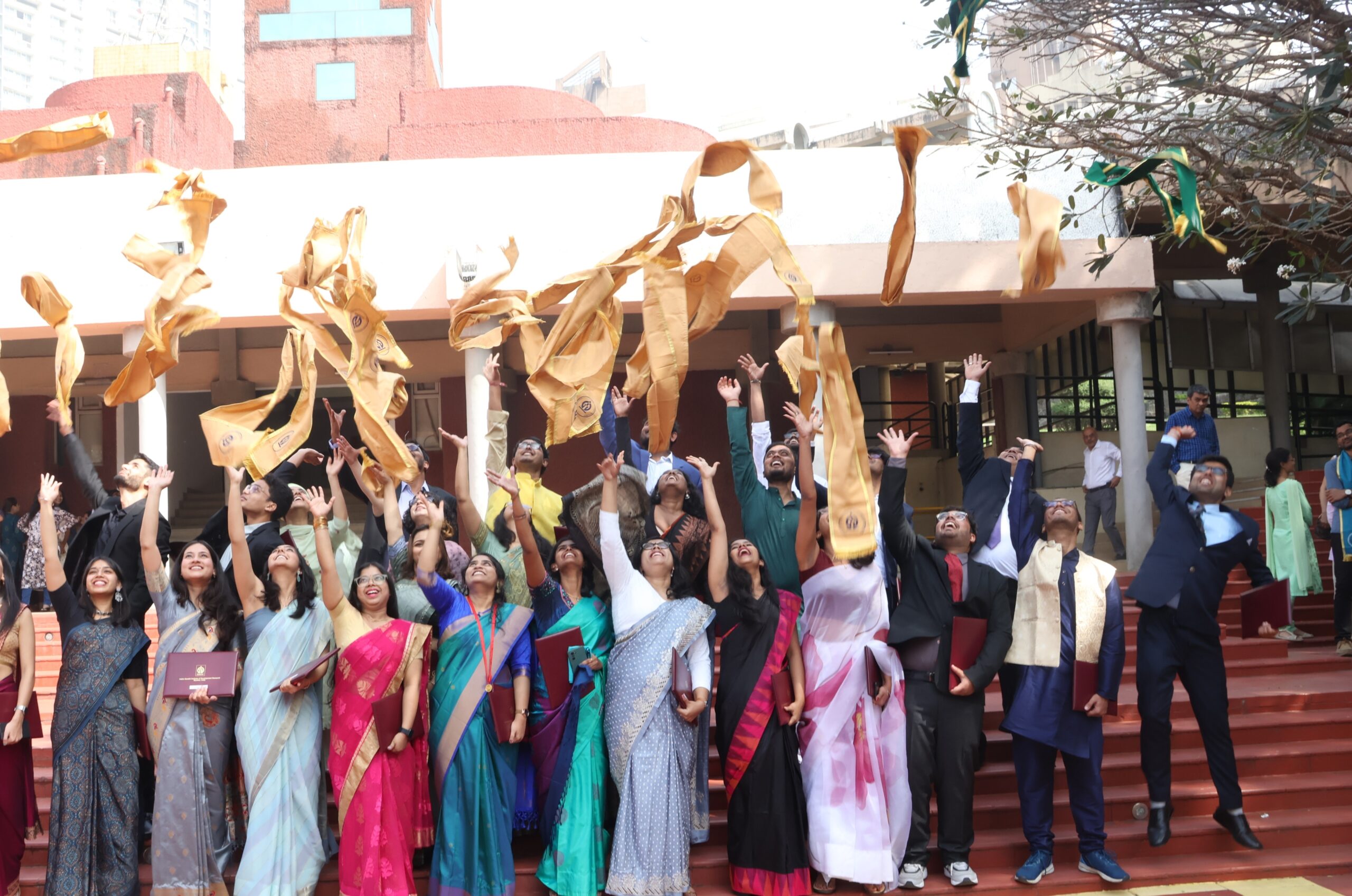
IGIDR offers world-class academic programs that bridge the gap between education and industry, ensuring students excel in finance, policy-making, and research.
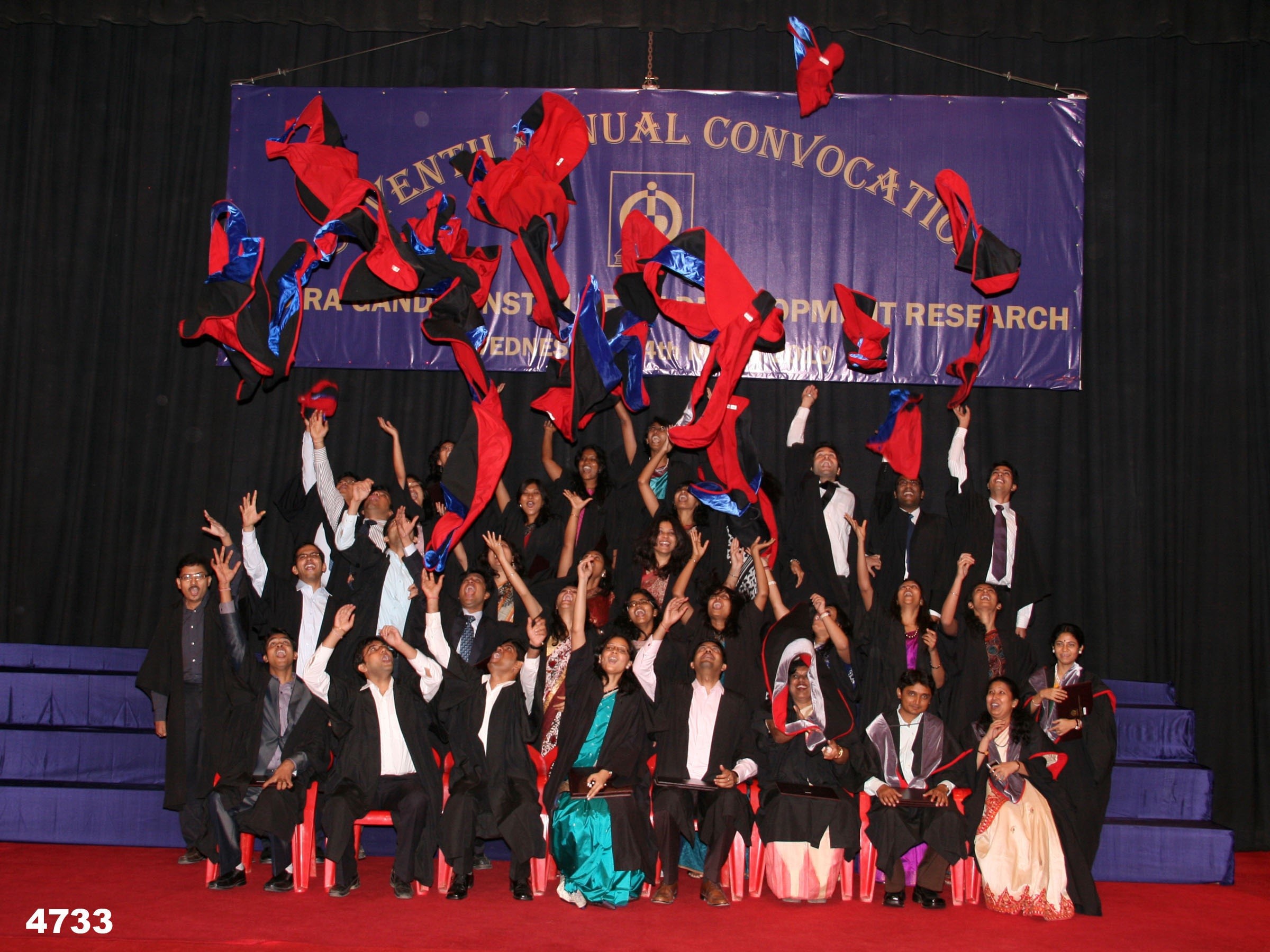
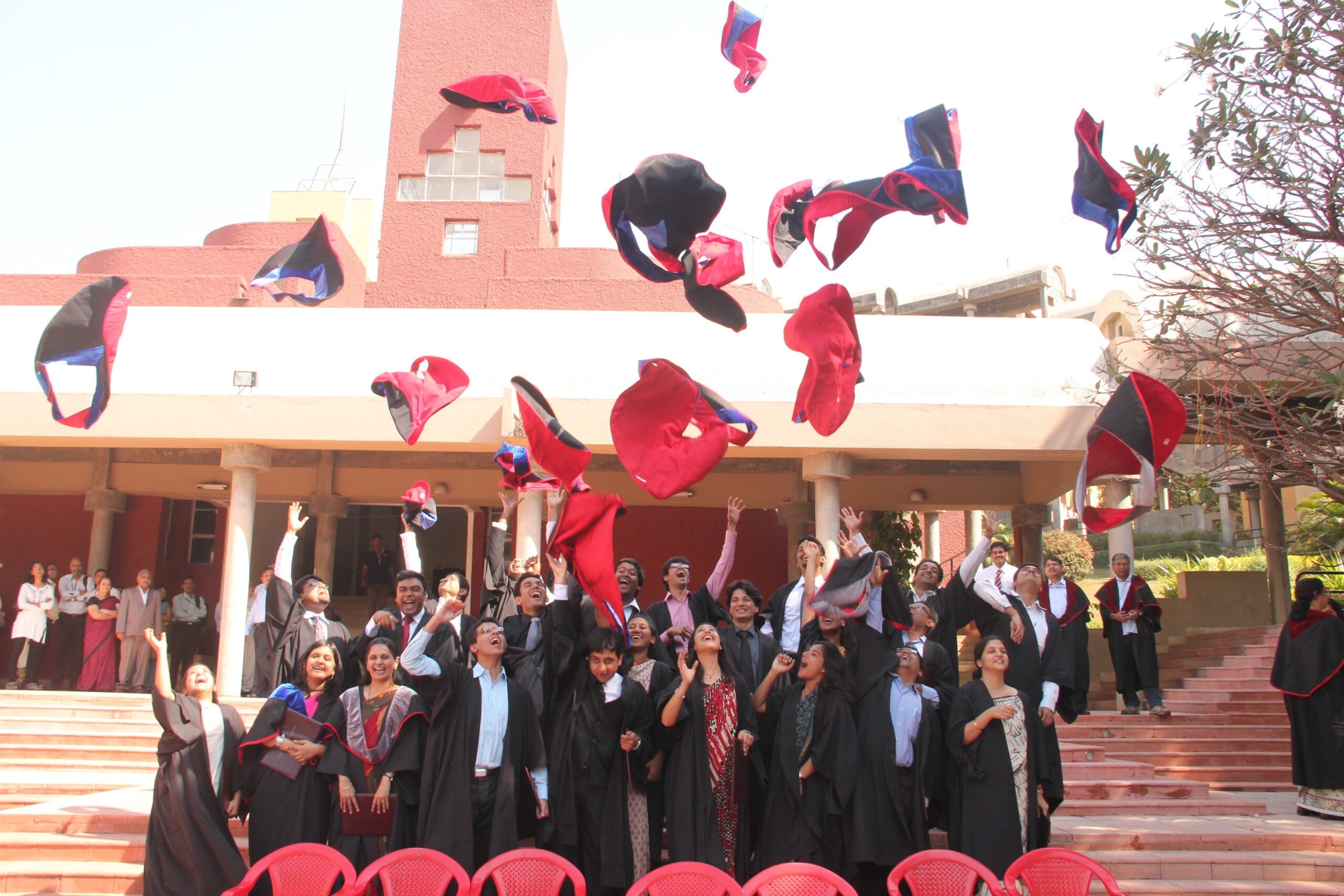
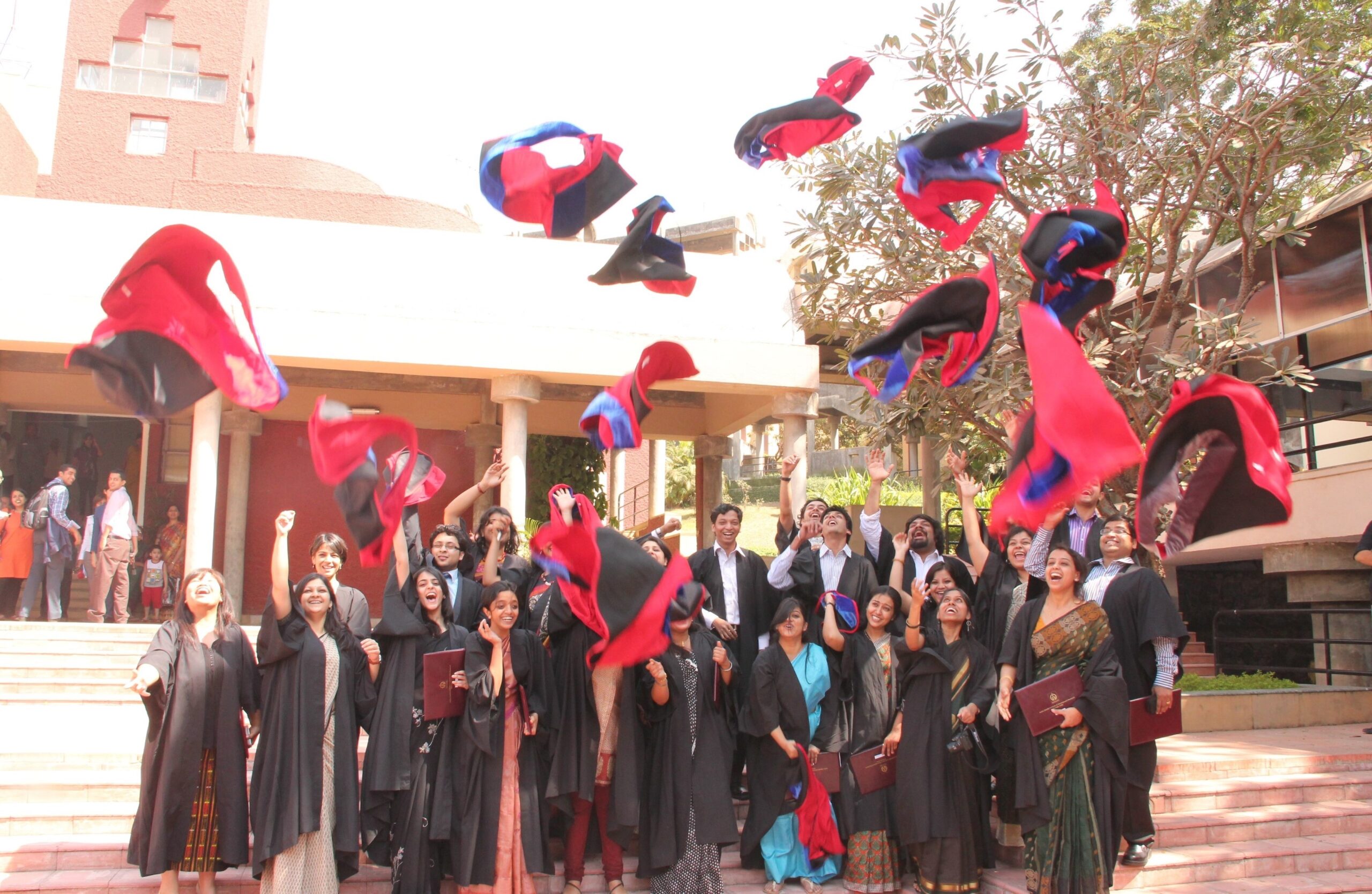
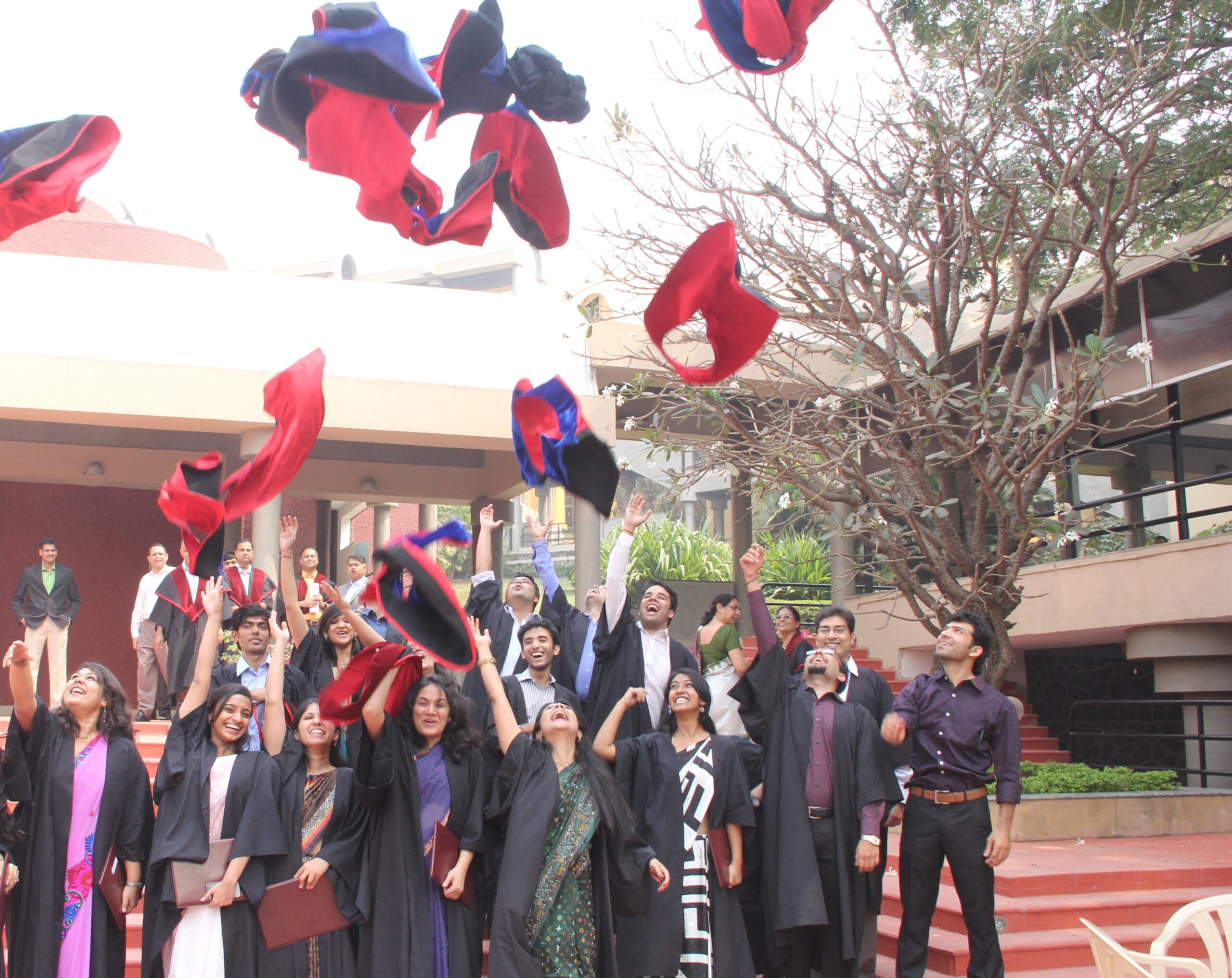


Academic Outreach
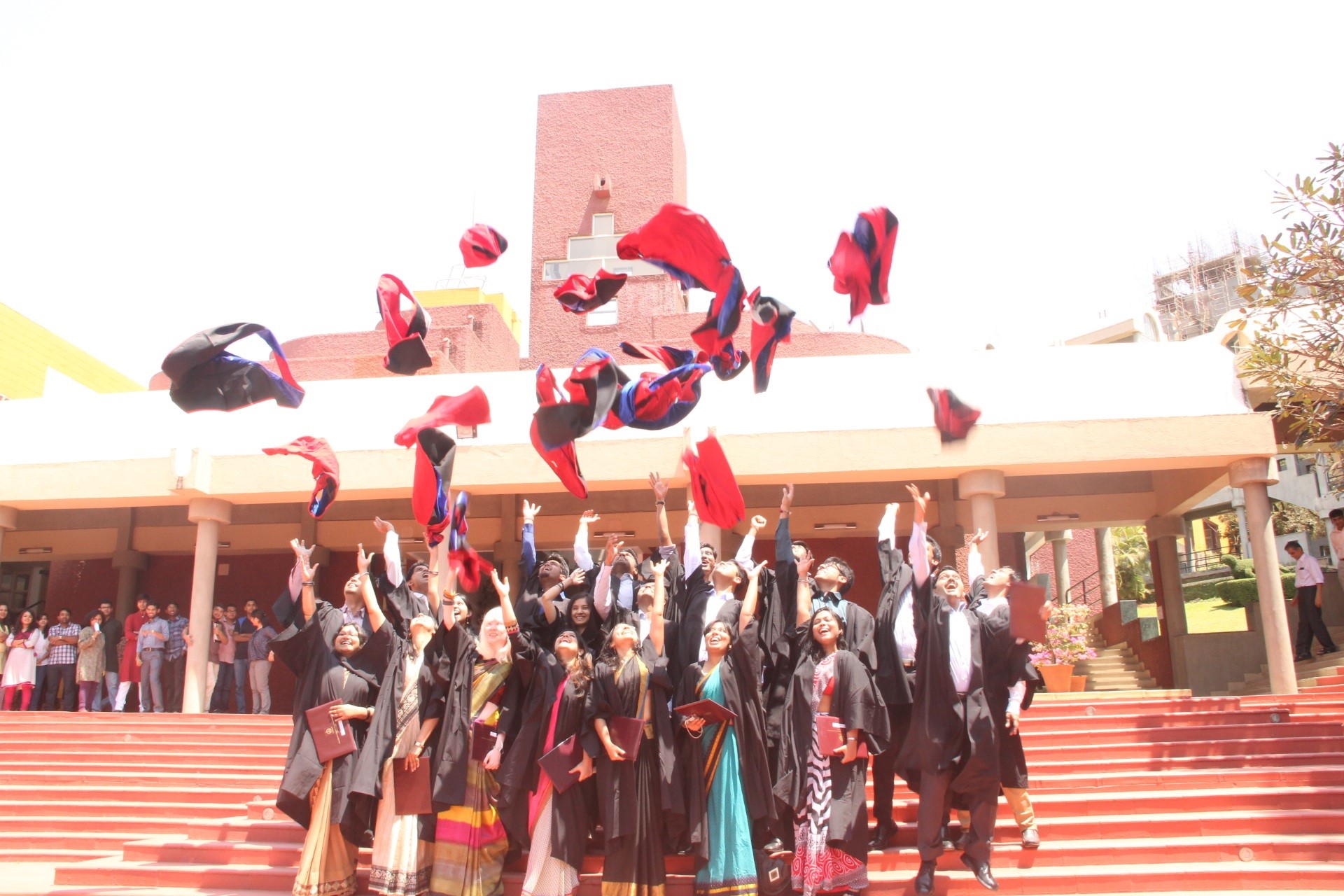
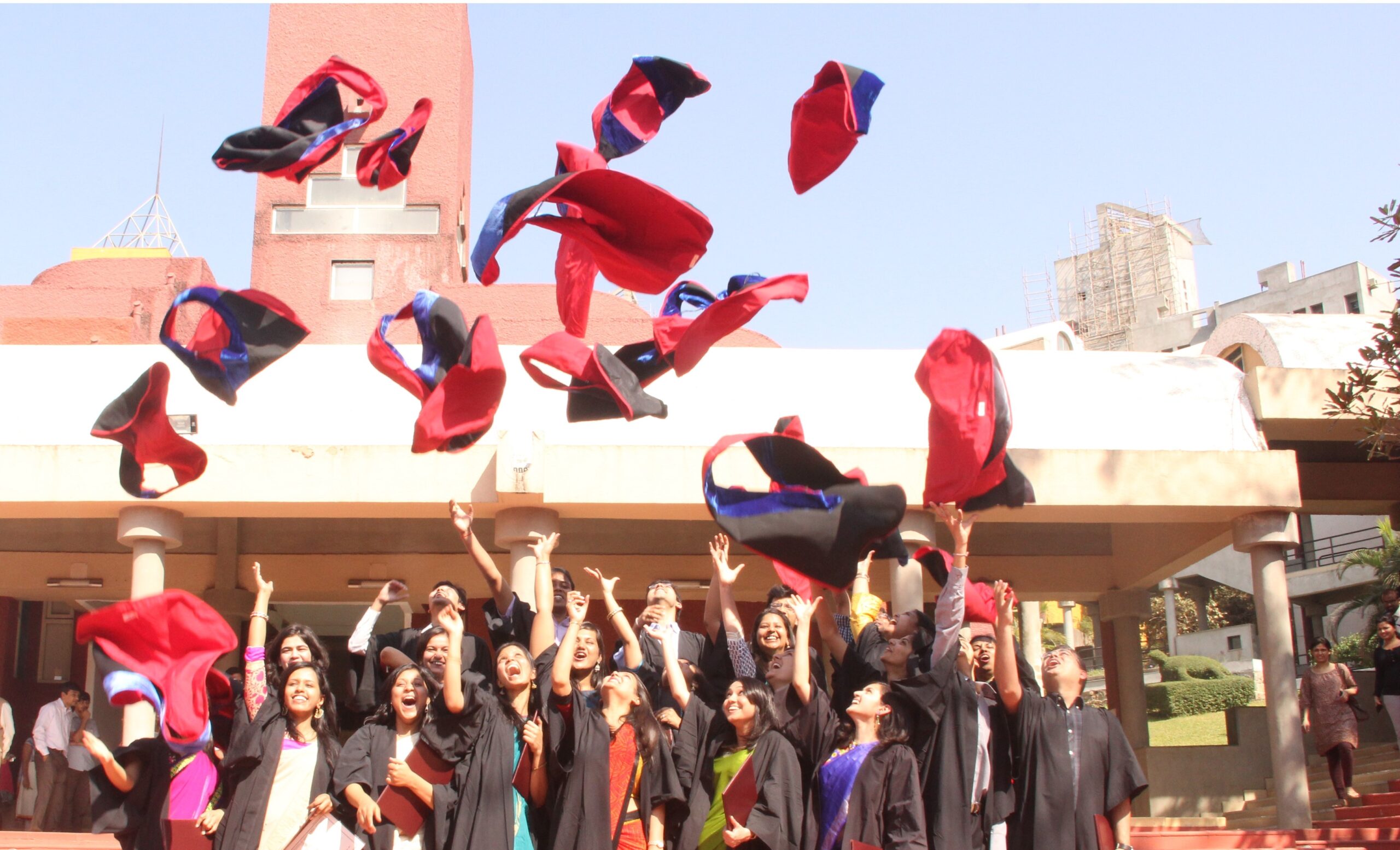
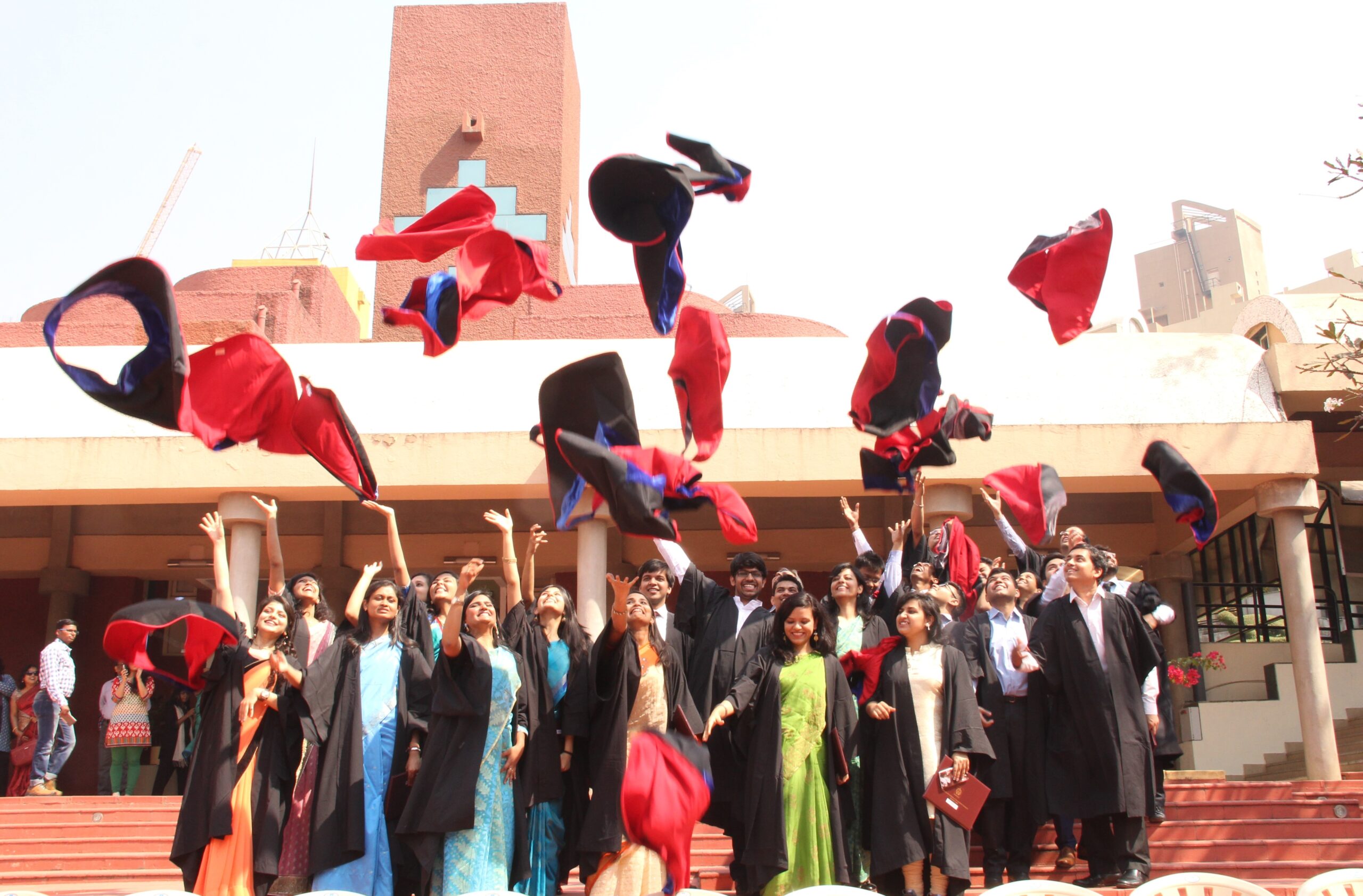
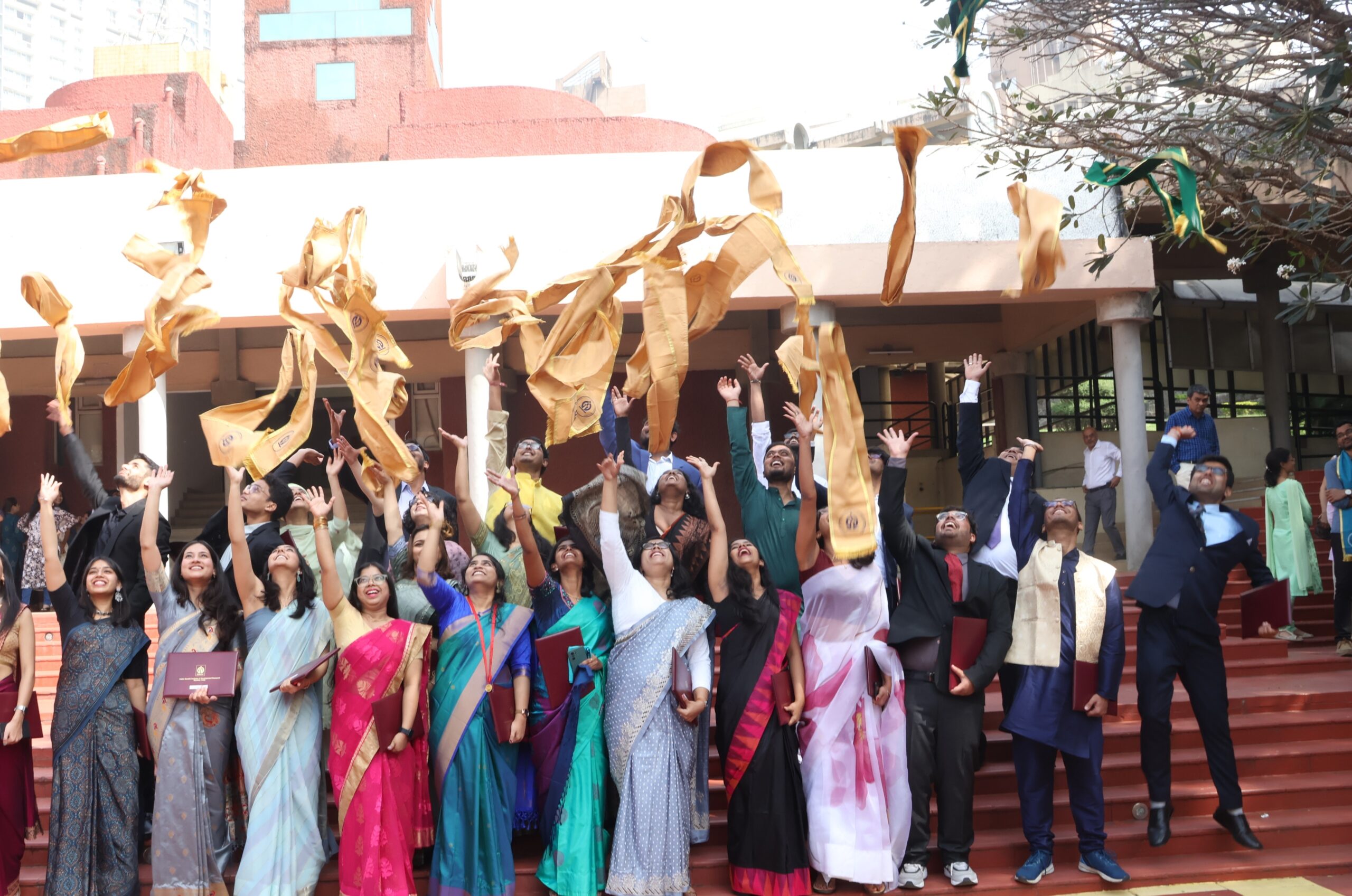
IGIDR promotes academic outreach through initiatives that encourage research collaboration and knowledge exchange. Key pro-grammes include the Collaborative Research (CoRe)-Ph.D. Colloquium, Post-Doctoral Fellowship Programme, Visiting Scholars Programme, and the Visiting Students Programme. Together, these initiatives strengthen the institute’s commitment to academic excellence and intellectual engagement.
Research and Publications
Our State-of-the-art research facilities support groundbreaking studies in economics, sustainability and the policy development.

Corruption-proof minimum regulation for ‘zero emission’: Status incentives–Bane or boon?
Authors: Jain, Preksha, Kundu, Sumana and Pal, Rupayan
Journal of Economic Behavior and Organization, V.245, 2026.

Undertreatment in credence goods markets: When does a no-liability rule outperform?
Authors: Kundu, Sumana
Operations Research Letters, V.67, 2026.
Inequality, urbanization, and the Kuznets process: Evidence from India’s annual Periodic Labour Force Surveys.
Author : Chandrasekhar, S., Naraparaju, K., and Sharma, A
Structural Change and Economic Dynamics, V.77, 2026.
This paper examines the feasibility of designing environmental regulations that achieve zero emissions by incentivizing the adoption of non-polluting ‘green’ technologies among firms, while minimizing opportunities for corruption.
This paper analyzes how undertreatment - the provision of minor treatment for a serious problem - affects expert behavior and social welfare in credence goods markets under both strict liability and no-liability regimes.
This paper presents annual estimates of inequality in monthly per capita household earnings in India for the period 2017–18 to 2022–23, based on an analysis of data from India’s Periodic Labour Force Surveys.
Policy & Impact
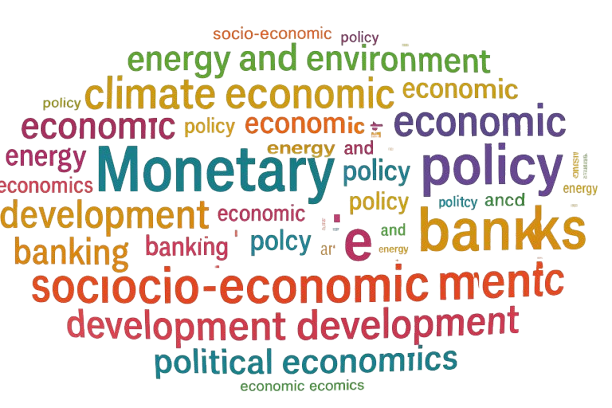
IGIDR is at the forefront of policy research and advisory services, working with government bodies.
1
Policy Documentation
Partnering Structured, research-backed policy drafts for decision-makers.
2
Committee Reports
Expert insights and analysis for policy committees & working groups.
3
Data-Driven Policy Research
Supporting reforms with evidence-based analysis.
4
Government & Institutional Collaborations
Working with ministries, banks, and global think tanks.
IGIDR Advantages
14+
ACRE CAMPUS
820+
ALUMNI NETWORK
1430+
RESEARCH PUBLICATIONS
PLACEMENT SUPPORT
DISTINGUISHED FACULTY
SPEAKER SEMINARS
Alumni
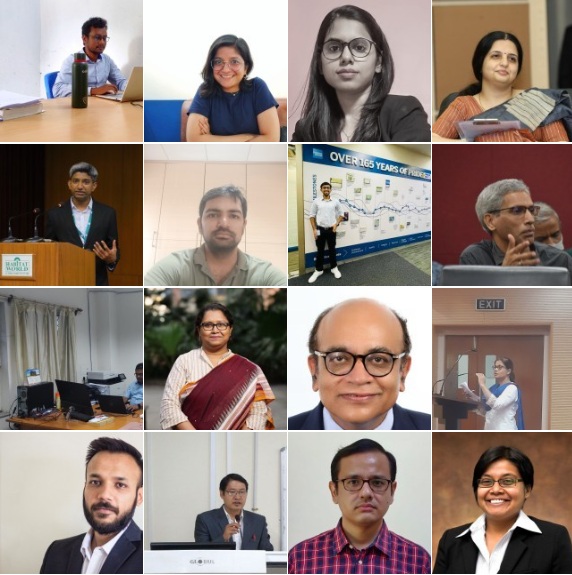
The alumni of institute form a distinguished network of scholars and professionals contributing to academia, public policy, international organizations, and the corporate sector. Graduates of the institute have secured positions in leading universities, research institutions, government bodies, and financial organizations in India and abroad. Many alumni have pursued advanced research and faculty careers in globally reputed institutions/universities such as Cornell, IITs, IIMs, CDS, MSE, etc., while others serve in key policy institutions such as the Reserve Bank of India, NIPFP, NCAER, etc. The corporate sector they are serving include institutions such as Citi, NSE, ICICI, Deloitte, HSBC, CRISIL, American Express, etc. The achievements of IGIDR alumni reflect the institute’s strong emphasis on rigorous training in development economics, econometrics, and policy analysis.